
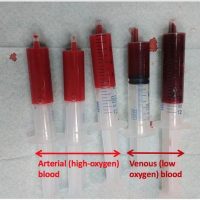
“Why is my blood so dark when drawn? It’s a common concern that can be unsettling. The color of your blood after it’s drawn might provide valuable insights into your health. Dark blood typically indicates a lower oxygen level. This can be due to various reasons, such as dehydration or a health condition. Understanding why your blood appears dark can lead to timely interventions and better health outcomes.”

Why Is My Blood So Dark When Drawn?
Welcome, curious minds! Have you ever wondered why your blood may look dark when it’s drawn during a medical test or donation? You’re not alone! Let’s embark on an exciting journey to uncover the mysteries behind why our blood appears dark in those moments. So, grab a seat, buckle up, and let’s dive into the fascinating world inside our veins!
The Color of Blood: A Closer Look
Before we delve into why blood appears dark when drawn, let’s first understand the natural color of blood. Typically, blood is a deep red hue when it’s oxygenated and flowing inside our bodies. Oxygen-rich blood is what gives our skin a healthy rosy glow and keeps us feeling energized.
However, when blood is exposed to the air outside our bodies, such as during a medical procedure where it’s drawn into a test tube, it can appear darker in color. The reason behind this change in color lies in the way our blood interacts with oxygen outside of our circulatory system.
Deoxygenation: The Key to Dark Blood
When blood is drawn from a vein, it is no longer actively circulating through our body’s vessels, picking up oxygen from our lungs and delivering it to our tissues. As a result, the blood begins to lose its oxygen content, a process known as deoxygenation.
Deoxygenated blood has a darker, bluish-red appearance compared to oxygenated blood’s bright red color. This change in color is due to the altered state of hemoglobin, a protein in our red blood cells responsible for transporting oxygen. Hemoglobin binds with oxygen in our lungs, giving blood its characteristic red color. When hemoglobin lacks oxygen, such as when blood is drawn, it appears darker.
Understanding Hemoglobin’s Role
Hemoglobin plays a crucial role in our blood’s ability to transport oxygen throughout our body. It acts as a carrier, binding to oxygen in the lungs and releasing it to our tissues when needed. The presence or absence of oxygen bound to hemoglobin directly impacts the color of our blood.
When blood is oxygenated, hemoglobin forms a complex with oxygen molecules, creating oxyhemoglobin, which gives blood its bright red color. In contrast, when oxygen levels are low, hemoglobin reverts to its deoxygenated state, forming deoxyhemoglobin, resulting in the darker appearance of blood.
What Factors Influence Blood Color?
While deoxygenation is the primary reason blood appears dark when drawn, several other factors can influence its color. Let’s explore some of these factors in more detail:
Vein Size and Blood Flow
The size of the vein from which blood is drawn can affect its appearance. Smaller veins may yield a darker-looking blood sample due to slower blood flow and potentially slower oxygenation levels in the drawn blood.
Hydration Levels
Our hydration status can also impact blood color. Dehydration can lead to thicker blood, affecting how it appears when drawn. Proper hydration helps maintain optimal blood flow and oxygen levels, contributing to a healthier blood color.
Medications and Health Conditions
Certain medications or health conditions can alter blood composition, potentially influencing its color when drawn. It’s essential to discuss any medications you’re taking or health conditions you have with your healthcare provider to gain a better understanding of how they may impact your blood color.
When to Seek Medical Advice
While slight variations in blood color when drawn are normal, there are instances where unusual or persistent changes may warrant further investigation. If you notice significant differences in the color of your blood, especially if accompanied by other symptoms such as fatigue, shortness of breath, or dizziness, it’s crucial to consult a healthcare professional for evaluation.
Remember, our blood provides valuable insights into our overall health, and any concerns should be addressed promptly to ensure we stay in the pink of health!
And there you have it, curious minds! The next time you find yourself wondering why your blood looks dark when drawn, remember the fascinating journey it takes from oxygenation to deoxygenation and the factors that can influence its color along the way.
Our blood is a vital part of our body’s intricate systems, constantly working behind the scenes to keep us healthy and thriving. So, let’s appreciate the wonders of our circulatory system and the remarkable role our blood plays in sustaining life.
Until next time, stay curious and keep exploring the amazing world inside you!
fake blood experiment #shorts
Frequently Asked Questions
Why does my blood appear darker when drawn?
When blood is drawn from your body, it is exposed to oxygen outside of your system. The oxygen interacts with the hemoglobin in your blood, causing it to change color. This reaction is what makes your blood appear darker.
Is dark blood when drawn a cause for concern?
Dark blood when drawn is not necessarily a cause for concern on its own. The color of your blood can vary depending on how quickly it reaches the surface and the oxygen levels in the room. However, if you have other symptoms or ongoing health issues, it is advisable to consult with a healthcare professional.
Can dehydration affect the color of my blood when drawn?
Yes, dehydration can impact the color of your blood when drawn. When you are dehydrated, your blood becomes more concentrated, which can make it appear darker than usual. Staying well-hydrated can help maintain the normal color of your blood.
Final Thoughts
When your blood appears dark when drawn, it is typically due to the deoxygenated blood returning to the veins. This oxygen-poor blood is deep red or purple in color compared to the bright red oxygen-rich blood in arteries. The hue of your blood can also be affected by the time it takes for the sample to reach the lab for testing. Remember, the dark color of your drawn blood is a normal part of its circulation process.