
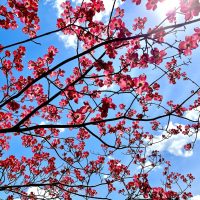
Redbud winter arrives unexpectedly, a final breath of cold in the midst of spring’s bloom. When is redbud winter? This question lingers as nature teases us with warmth, only to pull back into its icy embrace. The answer lies in the folklore of the Appalachians, where the blooming of the redbud tree signals this seasonal shift. Stay tuned as we unravel the mystery and wisdom behind this fleeting phenomenon.

When is Redbud Winter: Understanding Nature’s Phenomenon
Welcome, nature enthusiasts! Have you ever heard of Redbud Winter? It’s a fascinating natural event that occurs in certain parts of the world, particularly in the United States. In this article, we’ll delve into the mysteries of Redbud Winter, exploring what it is, when it happens, and why it’s such an intriguing phenomenon. So, grab your magnifying glass and let’s embark on this nature-filled adventure!
What is Redbud Winter?
Redbud Winter is a term used to describe a period of unexpected cold weather that coincides with the blooming of Eastern Redbud trees. These beautiful trees, known for their vibrant pink flowers, typically bloom in early spring, signaling the arrival of warmer weather. However, during Redbud Winter, a sudden cold snap can catch many by surprise, causing temperatures to drop significantly.
It’s important to note that Redbud Winter is not a separate season but rather a transient weather phenomenon that occurs within the larger context of the spring season. While it may seem like a setback for those eagerly awaiting the arrival of consistent warmth, Redbud Winter serves as a reminder of nature’s unpredictability and resilience.
When Does Redbud Winter Typically Occur?
One of the most intriguing aspects of Redbud Winter is its unpredictability. While it is often associated with the blooming of Eastern Redbud trees, the exact timing of this phenomenon can vary from year to year and from region to region. In general, Redbud Winter tends to occur in the early to mid-spring months, typically in March or April.
Factors such as climate patterns, geographic location, and local weather conditions all play a role in determining when Redbud Winter might strike. In some areas, it may coincide with other natural events, such as the emergence of certain insect species or the migration of birds.
Understanding Weather Patterns During Redbud Winter
During Redbud Winter, the sudden drop in temperatures can have significant impacts on both flora and fauna. Plants that have already started to bloom may be at risk of damage from frost, while animals that have emerged from hibernation may need to find shelter to stay warm.
For humans, Redbud Winter can be a reminder to remain vigilant and prepared for fluctuations in weather, especially as we transition from winter to spring. It’s a good idea to keep an eye on weather forecasts and take precautions to protect sensitive plants and outdoor animals during this time.
Why is Redbud Winter Significant?
While Redbud Winter may seem like a minor blip in the grand scheme of seasonal changes, it holds symbolic importance for many people. The sudden cold snap serves as a reminder of nature’s delicate balance and the resilience of life in the face of adversity.
For gardeners and botanists, Redbud Winter can be a challenging but enlightening time. It provides an opportunity to observe how plants respond to changing environmental conditions and offers insights into the intricate relationships between living organisms and their surroundings.
Ultimately, Redbud Winter is a testament to the ever-changing nature of the world around us. By embracing these unexpected weather events, we gain a deeper appreciation for the beauty and complexity of the natural world.
In Conclusion
So, the next time you see the delicate pink flowers of an Eastern Redbud tree blooming in early spring, remember the possibility of Redbud Winter lurking around the corner. Nature’s surprises are part of what makes the world such a wondrous place, full of mysteries waiting to be discovered.
Thank you for joining us on this exploration of Redbud Winter. May you continue to marvel at the wonders of the natural world and find joy in each new discovery along the way!
Weather Wednesday: Redbud winter or Blackberry winter? What's the difference?
Frequently Asked Questions
When does redbud winter typically occur?
Redbud winter, also known as a period of cold weather after the redbud trees bloom, usually happens in early spring. This can vary depending on the region, but it generally occurs in March or April in the United States.
How can someone prepare for redbud winter?
To prepare for redbud winter, it is advisable to keep an eye on weather forecasts and be ready for a sudden drop in temperature. It’s a good idea to have warm clothing on hand and protect sensitive plants if frost is expected.
What are the signs that redbud winter is approaching?
One of the signs indicating the arrival of redbud winter is when the redbud trees bloom. Shortly after this, a cold snap or frost may occur, signaling the onset of colder weather typical of this period.
Final Thoughts
Redbud winter typically occurs in early spring, when the redbud trees bloom and signal a brief return to colder temperatures. This phenomenon is a natural part of the seasonal transition, reminding us of the unpredictable nature of weather. Those familiar with redbud winter can anticipate its arrival and prepare accordingly for a temporary chill. So, when is redbud winter? Keep an eye out for blooming redbud trees to know that this cold snap is on its way.