
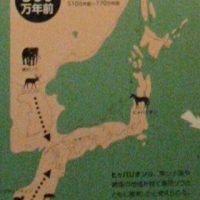
Japan first acquired horses in the 5th century CE, forever altering the course of its history. These majestic creatures arrived on Japanese shores from Korea, transforming warfare, agriculture, and transportation. When did Japan get horses? The answer lies in the ancient tales of Yamato rulers harnessing the power and grace of these noble animals. Join us on a journey back in time to explore the profound impact of horses on Japan’s cultural and social evolution.

When Did Japan Get Horses: Unraveling the Equine Connection
Japan, a country steeped in rich history and tradition, has always captivated the imagination of people around the world. From its stunning landscapes to its unique culture, Japan is a land of wonder and mystery. One fascinating aspect of Japan’s history is the introduction of horses to the island nation. The arrival of horses in Japan marked a significant turning point in the country’s development, shaping its military, culture, and society in profound ways. In this article, we will delve into the intriguing story of when Japan first encountered these majestic creatures and how they became an integral part of Japanese life.
The Early Days: Ancient Japan and the Absence of Horses
When we think of horses, we often picture gallant steeds galloping across vast plains or charging into battle. However, in ancient Japan, horses were not native to the land. The question of when horses first arrived in Japan is shrouded in mystery, with various theories and legends offering different perspectives.
Historical records indicate that horses were not present in Japan during the Jomon period (14,000–300 BCE) or the Yayoi period (300 BCE–300 CE). It wasn’t until much later, during the Kofun period (300–710 CE), that horses made their grand entrance onto the Japanese archipelago.
The Arrival of Horses: Influence from the Korean Peninsula
The introduction of horses to Japan is closely tied to the country’s interactions with the Korean Peninsula. The Korean Peninsula, located just a short distance from Japan, served as a conduit for the transfer of various cultural elements, including horses.
During the Kofun period, which was characterized by the construction of large burial mounds and the emergence of centralized power, Japan began to establish closer ties with the Korean Peninsula. It is believed that the first horses arrived in Japan as gifts or tributes from Korean kingdoms, such as Baekje and Silla.
The Impact of Horses on Japanese Society
Once horses arrived in Japan, they quickly became symbols of power, prestige, and military might. The Japanese elite, particularly the ruling class and warrior aristocracy, prized horses for their speed, agility, and strength. Horses were not only used in warfare but also played a crucial role in ceremonies, festivals, and daily life.
Horses in War: The Rise of Cavalry
One of the most significant impacts of horses on Japanese society was their role in warfare. The introduction of horses revolutionized military tactics and strategies, leading to the rise of cavalry units known as “buke” or samurai. These mounted warriors became formidable forces on the battlefield, wielding swords, bows, and spears from horseback.
With their mobility and speed, cavalry units could swiftly maneuver across the battlefield, outflanking and outmaneuvering their opponents. Horses provided a tactical advantage that reshaped the way wars were fought in Japan, influencing the outcome of key battles and campaigns.
Horses in Culture and Society
Beyond their military significance, horses also left a lasting impact on Japanese culture and society. The presence of horses in Japan inspired artistic expressions, such as paintings, sculptures, and literature. Horses became symbols of beauty, grace, and strength, admired for their elegance and power.
Furthermore, horses played a central role in religious ceremonies and festivals, where they were revered as sacred animals associated with various deities and spirits. In Shintoism, the indigenous religion of Japan, horses were considered divine messengers and were honored in rituals and offerings.
The Legacy of Horses in Japan: From Past to Present
Today, the legacy of horses in Japan lives on in various forms, reflecting their enduring impact on the country’s history and culture. While horses are no longer as prevalent in everyday life as they once were, they continue to hold a special place in Japanese hearts.
From traditional horse racing events like the Omoriyama Horse Racing Festival to the iconic imagery of samurai on horseback in art and media, horses remain a potent symbol of Japan’s heritage and tradition. Even in modern times, the spirit of the horse continues to gallop through the pages of Japanese history, reminding us of a bygone era when these magnificent creatures first graced the shores of Japan.
As we reflect on the question of when Japan got horses, we are reminded of the enduring bond between humans and animals, the transformative power of cultural exchange, and the profound impact of horses on the course of history. The story of horses in Japan is not just a tale of conquest and glory but a testament to the enduring legacy of these noble beasts in shaping the destiny of a nation.
So, the next time you see a horse trotting majestically across a field or hear the thundering hooves of a cavalry charge, remember the remarkable journey of when Japan first welcomed these magnificent creatures into its midst.
Big boy! How tall is your horse? 😊🐴 #equestrian #horse #short
Frequently Asked Questions
When did Japan first acquire horses?
Horses were initially introduced to Japan during the Yayoi period, which lasted from around 300 BC to 300 AD. It is believed that horses were brought to Japan through trade with the Korean Peninsula.
How did the introduction of horses impact Japan?
The introduction of horses had a significant impact on Japanese society, particularly in warfare and agriculture. Horses were instrumental in transforming military strategies and providing a means of transportation and cultivation in agriculture.
Were horses readily available in Japan after their initial introduction?
Initially, horses were considered valuable commodities and were primarily owned by the elite class such as nobles and warriors. Over time, as breeding programs expanded, horses became more widely available throughout Japan.
Final Thoughts
Scholars believe Japan first acquired horses in the Yayoi period, around the 3rd century BC. These animals played a crucial role in shaping Japanese society and warfare. The introduction of horses revolutionized transportation, agriculture, and military tactics in Japan. Thus, the question of “when did Japan get horses” marks a significant turning point in the country’s history.