
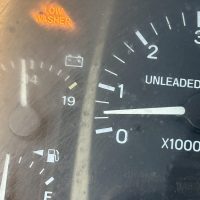
Experiencing a noticeable rpm drop when idle in your vehicle? This common issue can be frustrating, but understanding the underlying causes can help address the problem effectively. Low engine oil levels, a faulty idle control valve, or a dirty air filter could be contributing to the rpm drops. By recognizing the symptoms and taking appropriate action, you can prevent potential issues and keep your vehicle running smoothly. Let’s explore some possible reasons why your rpm drops when idle and how to troubleshoot them for optimal performance.

RPM Drops When Idle: Causes and Solutions
Welcome to our blog where we will dive into the common issue of RPM drops when idle in your car. If you’ve ever noticed your engine’s revolutions per minute (RPM) dropping when your vehicle is stationary, you’re not alone. This phenomenon can be frustrating and concerning for many drivers, but fear not! In this article, we will discuss the possible reasons behind this problem and offer some solutions to help you address it effectively.
Understanding RPM and Idle Speed
Before we get into why your RPM drops when idle, let’s first understand what RPM and idle speed mean. RPM stands for revolutions per minute, which indicates how fast the engine is running. When your car is at a standstill, the engine is said to be idling. The idle speed is the RPM at which the engine runs when the vehicle is not in motion. A normal idle speed typically ranges between 600 to 1000 RPM, but this can vary depending on the car make and model.
Possible Causes of RPM Drops When Idle
There are several reasons why your car’s RPM might drop when idle. Let’s explore some common culprits:
1. Vacuum Leaks
A vacuum leak is a common issue that can cause your RPM to drop when idling. When there is a leak in the vacuum system, the engine receives too much air, leading to an imbalance in the air-fuel mixture. This imbalance can result in a decrease in idle RPM.
2. Dirty or Faulty Idle Air Control Valve
The idle air control valve regulates the amount of air entering the engine while idling. If this valve becomes dirty or malfunctions, it can disrupt the idle speed and cause the RPM to drop when the car is stationary.
3. Clogged Fuel Injectors
If the fuel injectors in your car become clogged with dirt or debris, they may not deliver the proper amount of fuel to the engine, affecting the idle speed and causing RPM drops.
4. Faulty Mass Air Flow Sensor
The mass air flow sensor measures the amount of air entering the engine and helps adjust the air-fuel mixture. A malfunctioning mass air flow sensor can lead to improper fuel delivery, resulting in fluctuations in idle RPM.
Effective Solutions to Address RPM Drops When Idle
Now that we’ve identified some common causes of RPM drops when idle, let’s discuss how you can address this issue:
1. Check and Repair Vacuum Leaks
To address vacuum leaks, you can visually inspect the vacuum hoses and connections for any signs of damage or wear. Replace any damaged hoses and ensure all connections are secure to prevent excess air from entering the engine.
2. Clean or Replace Idle Air Control Valve
If the idle air control valve is dirty, you can try cleaning it using specialized cleaners. If cleaning doesn’t solve the issue, consider replacing the valve with a new one to restore proper idle function.
3. Clean Fuel Injectors
Cleaning clogged fuel injectors can improve fuel delivery and restore normal idle RPM. You can use fuel injector cleaner additives or seek professional cleaning services to address this issue.
4. Replace Faulty Mass Air Flow Sensor
If the mass air flow sensor is faulty, replacing it with a new one can help stabilize the air-fuel mixture and prevent RPM drops when idle. Consult your car’s manual or a mechanic for guidance on replacing the sensor.
In conclusion, RPM drops when idle can be a common issue in vehicles, but with proper diagnosis and solutions, you can effectively address this problem. By understanding the potential causes such as vacuum leaks, idle air control valve issues, clogged fuel injectors, and faulty mass air flow sensors, you can take the necessary steps to resolve RPM fluctuations and ensure smooth engine performance. Remember to perform regular maintenance and inspections to keep your car running smoothly and prevent idle RPM drops in the future.
6 Reasons Your Engine Revs Up and Down at Idle | RPM Fluctuations While Car is Parked
Frequently Asked Questions
Why does the RPM drop when idle?
When the RPM drops when idle, it could be due to issues such as a clogged air filter, a malfunctioning idle air control valve, a vacuum leak, or a dirty throttle body. These factors can disrupt the air-to-fuel ratio, causing the engine to idle at a lower speed.
How can a clogged air filter affect RPM drop when idle?
A clogged air filter restricts the airflow into the engine, leading to an imbalance in the air-to-fuel mixture. This imbalance can cause the engine to struggle at idle, resulting in a drop in RPM.
What role does the idle air control valve play in RPM fluctuations at idle?
The idle air control valve regulates the airflow at idle to maintain a consistent engine speed. If this valve malfunctions or gets dirty, it can disrupt the idle air control system, causing the RPM to drop when the vehicle is stationary.
Can a vacuum leak contribute to a drop in RPM when the vehicle is idle?
Yes, a vacuum leak disrupts the normal air intake process, leading to an incorrect air-to-fuel ratio. This can cause the engine to run poorly at idle, resulting in a decrease in RPM.
Final Thoughts
In conclusion, frequent rpm drops when idle can indicate underlying issues with the vehicle’s engine or fuel system. To address this problem, it is crucial to perform regular maintenance checks and promptly address any warning signs. Ignoring these symptoms could lead to more severe damage and costly repairs. By proactively addressing the issue of rpm drops when idle, you can ensure the smooth and efficient operation of your vehicle, enhancing its overall performance and longevity.