
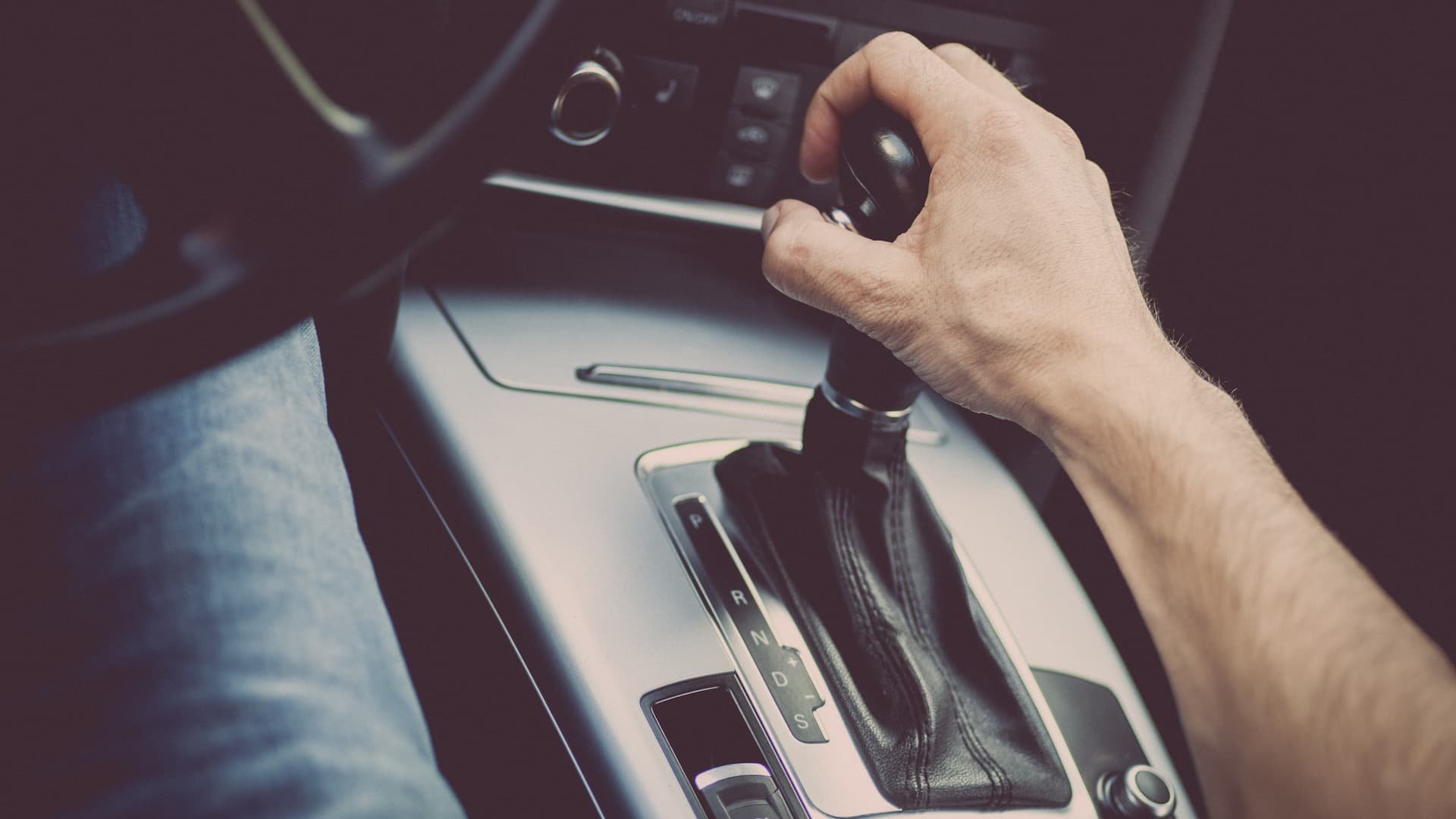
Experiencing a car jerking when shifting gears automatic transmission can be frustrating. This issue commonly stems from transmission problems, such as low transmission fluid or a faulty solenoid. Addressing these issues promptly is crucial to prevent further damage to your vehicle. Ignoring these warning signs can lead to costly repairs down the line. In this article, we will explore the common causes of why your car jerks when shifting gears with an automatic transmission and provide solutions to help you resolve this issue efficiently.

Why Does Your Car Jerk When Shifting Gears in Automatic Transmission?
Introduction
Do you ever feel a sudden jolt or jerk when your car shifts gears automatically? It can be frustrating and worrying, but don’t panic! In this article, we will explore the reasons behind this issue and provide you with tips on how to address it. Let’s dive in and unravel the mysteries of why your car jerks when shifting gears in automatic transmission.
Understanding Automatic Transmission
Before we delve into the reasons for the jerking motion, let’s first understand how automatic transmission works. In simple terms, automatic transmission allows your car to shift gears automatically without the need for manual gear changes. This system uses a complex arrangement of gears, hydraulic systems, and sensors to smoothly transition between gears as you accelerate or decelerate.
Common Causes of Jerking
Now, let’s get to the heart of the matter – why does your car jerk when shifting gears in automatic transmission? There are several common causes for this issue, and understanding them is the first step towards finding a solution.
1. Low Transmission Fluid
One of the primary reasons for jerking when shifting gears is low transmission fluid. Transmission fluid plays a crucial role in lubricating the transmission system and ensuring smooth gear shifts. If the fluid level is low, it can lead to a lack of hydraulic pressure, causing jerky movements when shifting gears.
2. Worn-out Transmission Components
Over time, the components of the transmission system, such as clutch plates and bands, can wear out. When these parts become worn or damaged, they may not engage properly, resulting in jerking motions during gear shifts.
3. Faulty Transmission Solenoid
The transmission solenoid is responsible for regulating the flow of transmission fluid within the system. If the solenoid is faulty or malfunctioning, it can disrupt the fluid flow and lead to jerky gear shifts.
4. Electronic Control Unit (ECU) Issues
The Electronic Control Unit (ECU) is the brain of your car’s transmission system. If the ECU malfunctions or receives incorrect signals from sensors, it can cause erratic gear shifts and jerking movements.
How to Fix the Issue
Now that we have identified some common causes of jerking when shifting gears in automatic transmission, let’s discuss how you can address and resolve this issue.
1. Check Transmission Fluid Levels
The first step is to check the transmission fluid level and condition. If it is low, top it up with the recommended fluid for your vehicle. Make sure to follow the manufacturer’s guidelines for checking and refilling transmission fluid.
2. Transmission Service and Inspection
If the jerking persists, it may be time to take your car to a professional mechanic for a transmission service and inspection. They can diagnose any underlying issues with the transmission system and recommend the necessary repairs or replacements.
3. Replace Faulty Components
If worn-out components are causing the jerking, your mechanic may recommend replacing them. This could include clutch plates, bands, or the transmission solenoid. Replacing these parts can restore smooth gear shifts and eliminate jerking motions.
4. ECU Diagnosis and Repair
In cases where ECU issues are suspected, it is crucial to have the electronic control unit diagnosed and repaired by a qualified technician. They can reset the ECU or reprogram it to address any software glitches causing the jerking problem.
Experiencing jerking when shifting gears in automatic transmission can be unnerving, but it is a common issue that can be resolved with the right knowledge and actions. By understanding the reasons behind the jerking motion and taking appropriate steps to address them, you can enjoy smooth and seamless gear shifts in your vehicle. Remember to stay proactive about your car’s maintenance and address any issues promptly to keep your automatic transmission running smoothly.
Transmission Noise Problem: Jerks/ Bangs Into Gear, Drive Or Reverse?- May Not Be A Bad Transmission
Frequently Asked Questions
Why does my car jerk when shifting gears with an automatic transmission?
Car jerking when shifting gears in an automatic transmission can be caused by issues with the transmission fluid levels, a faulty transmission solenoid, or a problem with the torque converter. It is essential to have your vehicle inspected by a mechanic to diagnose the exact cause of the jerking.
What are some common symptoms of a transmission problem causing jerking when shifting gears?
In addition to jerking when shifting gears, other symptoms of a transmission issue may include delayed shifting, difficulty accelerating, strange noises coming from the transmission, or transmission fluid leaks. These signs should not be ignored as they can worsen over time.
How can I prevent my car from jerking when shifting gears in an automatic transmission?
To prevent jerking when shifting gears, ensure regular maintenance of your vehicle, including checking and changing the transmission fluid as recommended by the manufacturer. Avoid aggressive driving habits, such as sudden acceleration or abrupt braking, which can put additional strain on the transmission.
Final Thoughts
If your car jerks when shifting gears with automatic transmission, it may indicate a potential issue that needs to be addressed promptly. Ignoring this problem can lead to further damage and safety risks. Consult a professional mechanic to diagnose and fix the underlying cause. Remember, addressing the issue early can prevent more costly repairs down the line. Drive safely and ensure your vehicle’s components are functioning smoothly to avoid the inconvenience of a jerky ride.