
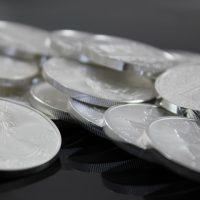
Anyone planning to purchase silver coins, utensils, or ornaments this week would do well to check the Silver Rate Today before heading out, and for those based in the capital, keeping an eye on the Silver Rate Today in Delhi has become just as routine as checking the weather before stepping out. Silver has long held a respected place in Indian households, used for everything from festive gifting to religious rituals, and its price movements are followed closely by both regular buyers and those who treat it as a smaller, more accessible alternative to gold investment.
How Silver Prices Are Actually Determined
Unlike many commodities, there is no longer a fixed silver price that remains stable for weeks at a time. Its price is determined by non-stop buying and selling in international commodity markets, where silver is quoted in greenbacks and reacts to a wide range of global monetary signals such as industrial demand, foreign exchange remittance movements and changes in investor sentiment on steel. The uncertainties between converted the rupee and liabilities and other relevant liabilities are added up to arrive at the silver landed cost. Local gold companies use this landed cost to calculate the daily reference price that retailers and jewellers generally adhere to in pricing their silver items.
Why Silver Behaves Differently From Gold
While gold is primarily viewed as a store of value and a haven during uncertain times, silver carries an additional dimension that gold does not share to the same extent. A significant portion of global silver demand comes from industrial applications, including electronics, solar panels, and various manufacturing processes. This dual identity as both a precious metal and an industrial commodity means silver prices can sometimes behave differently from gold, occasionally moving with greater volatility in response to changes in industrial output or manufacturing trends, alongside the usual influences of currency and investor demand that also affect gold pricing.
Common Forms Silver Is Bought In
Buyers purchase silver in many forms depending on their motives. Coins and bars are popular choices for those looking to put a modest amount away from the costs involved in crafting due to the fact that their pricing is based on pure metal value. Silverware, such as plates, vases, and decorative accessories, is often purchased for religious ceremonies and gift giving, mainly considered auspicious to give silver items sometimes at galla’s. Silver jewellery, including anklets, bracelets, and rings, is also seeing continued interest, especially with consumers looking for smaller, more expensive, and less expensive alternatives to gold jewellery for casual wear
Factors That Cause Short-Term Price Swings
Several elements can cause silver prices to shift within a short span of time. Global economic data, including reports on industrial production and manufacturing activity, often has a direct bearing on silver demand, given its extensive use in various industries. Currency fluctuations between the rupee and the dollar also play an important role, since silver, like gold, is priced internationally before being converted for the domestic market. Domestic festive and wedding season demand adds another layer of movement, as buying activity tends to rise during specific periods of the year, sometimes prompting dealers to adjust their margins slightly during peak demand.
Making a Sensible Silver Purchase
Buyers looking to get fair value from their purchase should compare rates across a few trusted dealers before committing, since making charges and design complexity can vary considerably even when the base metal rate is the same everywhere. Requesting a clear, itemised bill that separates the cost of the metal from making charges and applicable GST helps avoid confusion at the time of payment. It is also worth checking whether a dealer offers purity certification, since silver, like gold, can vary in fineness depending on the source and craftsmanship.
Final Thoughts on Silver Buying
Silver continues to hold a meaningful place in Indian traditions, whether purchased for religious purposes, gifting, or as a smaller investment alongside gold. Buyers who understand how pricing is structured, recognise the metal’s dual role as both a precious and an industrial commodity, and take a little time to compare their options before purchasing are far better placed to make confident, informed decisions.
Key Points
- Silver prices are influenced by continuous trading in international commodity markets, reacting to factors like industrial demand and global monetary signals.
- A significant portion of silver demand is driven by industrial applications, including electronics and solar panels, which contributes to its price volatility compared to gold.
- Common forms of silver purchases include coins and bars for investment, as well as silverware and jewelry for religious and gifting purposes.
- Short-term price fluctuations in silver can result from global economic data and domestic festive demand, along with currency exchange rates between the rupee and the dollar.
- Buyers are advised to compare rates across trusted dealers and to request an itemized bill to clearly delineate metal costs from making charges.
- Purity certification is important when purchasing silver, as the metal’s fineness can vary based on the source and craftsmanship.