
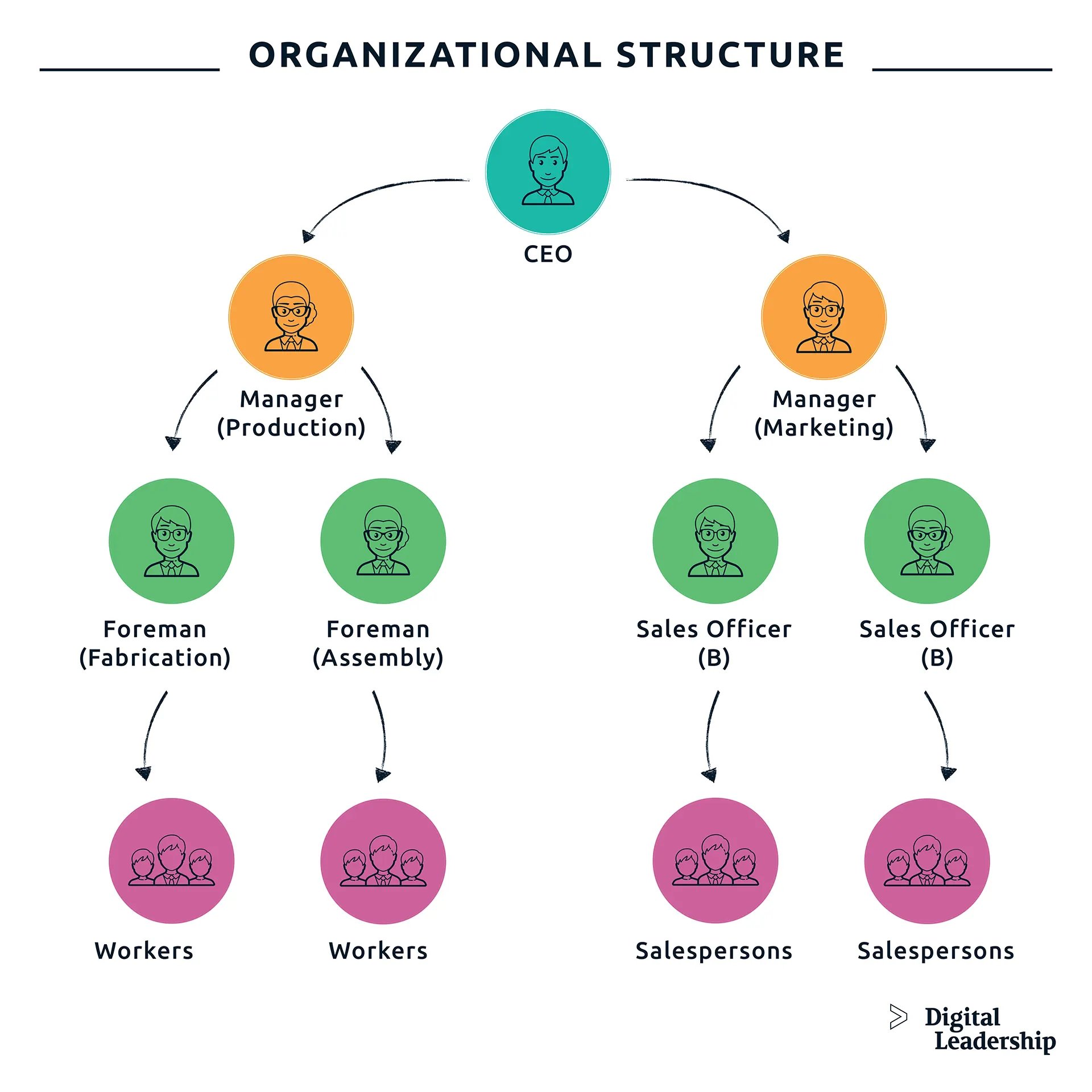
Occurs when only a select few people at the top of an organization make the decisions? Centralized decision-making can stifle creativity and hinder organizational growth. Limiting input to a small group restricts the diversity of perspectives crucial for innovation. Embracing a more inclusive approach to decision-making empowers teams and nurtures a culture of collaboration and adaptability. Let’s explore the impact and solutions to break free from the constraints of top-down decision-making.

The Impact of Centralized Decision-Making on Organizations
Have you ever wondered how decisions are made in big companies or organizations? Well, sometimes, only a select few people at the very top get to call all the shots. This is known as centralized decision-making, and it can have a significant impact on how a business operates. Let’s dive in and explore the ins and outs of what happens when only a handful of individuals are in charge of making all the decisions.
What is Centralized Decision-Making?
Centralized decision-making is a process where key decisions within an organization are made by a small group of individuals who hold top positions, such as the CEO, board of directors, or senior management. Instead of involving input from various levels of the organization, these select few have the authority to determine the direction and actions of the entire company.
When only a select few people at the top of an organization make all the decisions, it can lead to a lack of diverse perspectives and innovative ideas. This top-down approach may limit the organization’s ability to adapt to changes quickly and effectively.
Pros and Cons of Centralized Decision-Making
Pros:
1. **Efficiency:** Centralized decision-making can be efficient as it streamlines the decision-making process. With fewer people involved, decisions can be made quickly.
2. **Clarity of Vision:** When decisions come from a small group of leaders, it can help maintain a clear and consistent vision for the organization.
3. **Consistency:** Centralized decision-making ensures that decisions align with the organization’s overall goals and objectives.
Cons:
1. **Lack of Input:** One of the most significant drawbacks of centralized decision-making is the limited input from employees at lower levels. This can result in missed opportunities and lack of engagement.
2. **Risk of Errors:** Relying on a few individuals to make all decisions can lead to errors in judgment or bias, as diverse perspectives are not considered.
3. **Slow Adaptability:** In a rapidly changing business landscape, centralized decision-making may hinder the organization’s ability to adapt quickly to new challenges or opportunities.
Effects on Employee Morale and Engagement
When decisions are made centrally without input from the broader workforce, it can have a negative impact on employee morale and engagement. Employees may feel undervalued and disconnected from the decision-making process, leading to decreased motivation and job satisfaction.
Moreover, when employees are not involved in decision-making, they may be less invested in the outcomes and feel demotivated to contribute their best ideas and efforts. This lack of involvement can create a culture of apathy and hinder innovation within the organization.
Challenges of Centralized Decision-Making
1. Lack of Flexibility:
In a centralized decision-making structure, there is limited room for flexibility and adaptation. Decisions made by a select few may not always be suitable for every situation or context, leading to rigidity in the organization’s response to changing circumstances.
2. Communication Barriers:
Centralized decision-making can create communication barriers within the organization. Information may not flow freely between different levels, resulting in misunderstandings, lack of transparency, and decreased collaboration.
3. Inhibits Creativity and Innovation:
When decision-making authority is concentrated at the top, it can stifle creativity and innovation at lower levels of the organization. Employees may feel discouraged from proposing new ideas or taking risks, fearing that their suggestions will not be considered.
Strategies for Improving Decision-Making Processes
1. Decentralization:
Introducing elements of decentralization in the decision-making process can help distribute authority and empower employees at various levels to make informed decisions within their areas of expertise. This approach can lead to greater innovation, improved employee engagement, and faster response times.
2. Employee Involvement:
Encouraging employee participation in decision-making through feedback mechanisms, brainstorming sessions, and cross-functional teams can foster a culture of collaboration and inclusivity. By involving employees in the decision-making process, organizations can tap into a diverse range of perspectives and ideas.
3. Training and Development:
Investing in training programs that focus on critical thinking, problem-solving, and decision-making skills can equip employees with the tools they need to make informed decisions autonomously. By developing a workforce capable of making sound judgments, organizations can reduce their reliance on centralized decision-making.
In conclusion, centralized decision-making, where only a select few people at the top of an organization make all the decisions, can have both advantages and disadvantages. While it may promote efficiency and clarity of vision, it also poses challenges such as limited employee engagement and slow adaptability.
To mitigate the negative effects of centralized decision-making, organizations can explore strategies such as decentralization, employee involvement, and training and development. By fostering a culture that values diverse perspectives and empowers employees to contribute to the decision-making process, organizations can enhance their agility, innovation, and overall performance.
Remember, effective decision-making is a collaborative effort that benefits from the insights and contributions of individuals at all levels of an organization. By embracing a more inclusive approach to decision-making, organizations can position themselves for long-term success and sustainability.
Don't worry what someone thinks about You!
Frequently Asked Questions
What are the consequences of a top-down decision-making approach in an organization?
Top-down decision-making can lead to reduced employee morale, lack of creativity, and disengagement among staff members. Without involving a broader range of perspectives, the organization may miss out on valuable insights and innovative solutions.
How does top-down decision-making impact communication within an organization?
Top-down decision-making can hinder effective communication as information flows primarily in one direction – from the top to the bottom. This can result in a lack of transparency, poor feedback mechanisms, and limited opportunities for open dialogue among employees.
What strategies can organizations implement to mitigate the negative effects of top-down decision-making?
Organizations can promote a more inclusive decision-making process by encouraging input from employees at all levels. This can be achieved through regular feedback sessions, cross-departmental collaboration, and empowering teams to make decisions within their areas of expertise.
Final Thoughts
Centralized decision-making occurs when only a select few people at the top of an organization make the decisions. This approach may hinder creativity, innovation, and employee engagement. To foster a more inclusive and dynamic workplace, organizations should consider distributing decision-making authority across various levels. By empowering employees at all levels, companies can leverage diverse perspectives and expertise to drive success. Embracing a more decentralized decision-making model can lead to improved problem-solving, increased agility, and enhanced overall performance.