
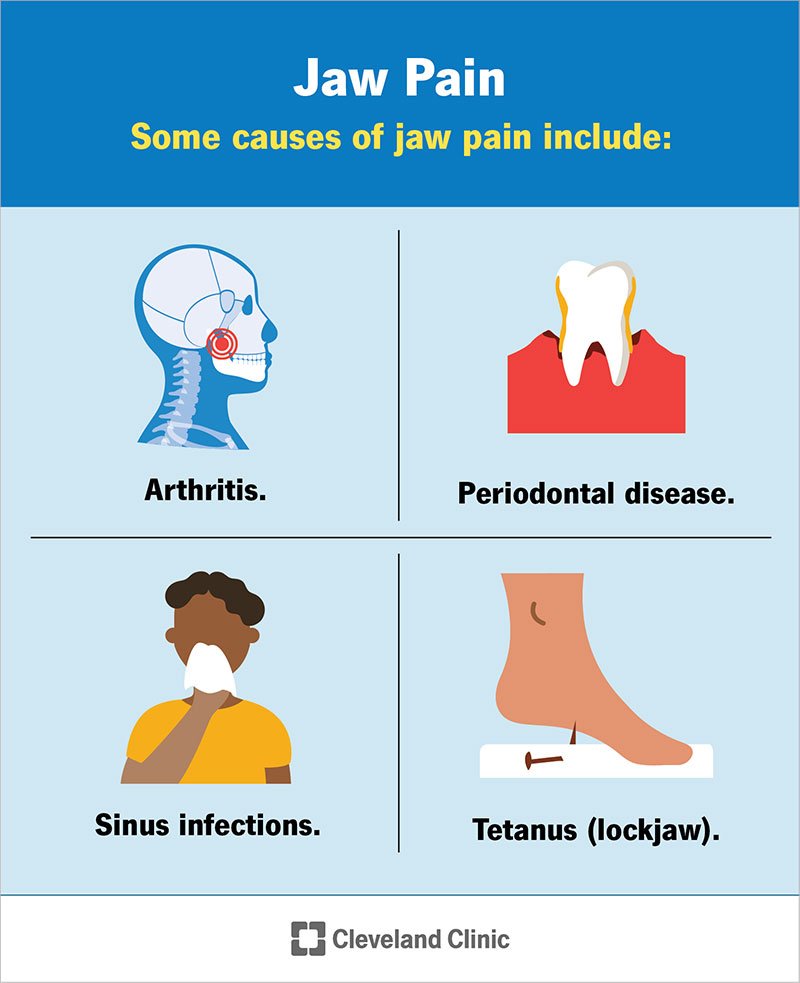
Ever experienced jaw pain when waking up? You’re not alone. Each morning, the discomfort may make you dread getting out of bed. But fear not, there are strategies to tackle this issue head-on. Whether it’s a result of teeth grinding, clenching, or an underlying medical condition, understanding the root cause is key. By making simple adjustments to your routine or seeking professional advice, you can start your day without the unwelcome sensation of jaw pain when waking up. Let’s delve into this common morning nuisance and explore effective remedies.

The Troublesome Morning Ache: Jaw Pain When Waking Up
Introduction
Imagine waking up in the morning, ready to start your day, only to be greeted by a sharp, uncomfortable pain in your jaw. This scenario is all too familiar to many people who experience jaw pain when waking up. In this blog post, we will delve into the world of jaw pain, exploring its causes, symptoms, and possible remedies to help you better understand and manage this bothersome morning ache.
Understanding Jaw Pain
Jaw pain, also known as temporomandibular joint (TMJ) pain, can manifest in various forms, such as soreness, stiffness, or aches in the jaw area. When this discomfort specifically occurs upon waking up, it can significantly impact your morning routine and overall well-being. The jaw joint is a complex structure that allows for the movement of the jaw, facilitating essential functions like eating, speaking, and yawning. Any disruption in this joint can lead to discomfort and pain.
Causes of Jaw Pain When Waking Up
There are several reasons why you may be experiencing jaw pain when waking up. One common cause is teeth grinding or clenching during sleep, a condition known as bruxism. This repetitive motion puts strain on the jaw muscles and can result in discomfort upon waking. Additionally, misalignment of the jaw joint, known as malocclusion, can contribute to morning jaw pain.
Another possible cause of jaw pain in the morning is poor sleep posture. Sleeping in a position that puts pressure on the jaw joint or neck muscles can lead to stiffness and soreness upon awakening. Furthermore, stress and anxiety can exacerbate jaw pain, as tension in the body can manifest as physical discomfort in the jaw area.
Symptoms of Jaw Pain When Waking Up
In addition to the noticeable pain in the jaw upon waking up, there are other symptoms that may accompany morning jaw pain. These can include headaches, earaches, neck pain, and difficulty opening or closing the mouth. It is essential to pay attention to these symptoms and consult a healthcare professional if the pain persists or worsens over time.
Remedies and Management Strategies
If you are experiencing jaw pain when waking up, there are several remedies and management strategies you can try to alleviate the discomfort and improve your overall jaw health.
1. Mouth Guards
For individuals who grind their teeth during sleep, wearing a mouth guard at night can help protect the teeth and reduce strain on the jaw muscles. Custom-fitted mouth guards are available through dentists and can provide optimal comfort and protection.
2. Relaxation Techniques
Practicing relaxation techniques such as deep breathing, meditation, or gentle jaw exercises before bedtime can help reduce stress and tension, potentially decreasing jaw pain upon waking up. Relaxing the jaw muscles through these techniques can promote better sleep and alleviate discomfort.
3. Proper Sleep Posture
Maintaining a good sleep posture is crucial for preventing morning jaw pain. Avoid sleeping on your stomach, as this position can strain the neck and jaw. Instead, opt for sleeping on your back or side with proper neck support to alleviate pressure on the jaw joint.
4. Warm Compresses
Applying a warm compress to the jaw area in the morning can help relax the muscles and alleviate soreness. The heat from the compress can improve blood circulation to the jaw, promoting healing and reducing discomfort.
Jaw pain when waking up can be a disruptive and uncomfortable experience, but with the right knowledge and strategies, you can effectively manage and alleviate this morning ache. By understanding the causes, symptoms, and remedies for jaw pain, you can take proactive steps to improve your jaw health and overall well-being. Remember to consult a healthcare professional if you are experiencing persistent or severe jaw pain to receive proper diagnosis and treatment. With a combination of lifestyle adjustments and targeted interventions, you can start your day free from the bothersome grip of jaw pain.
Instant TMJ and Jaw Pain Relief #Shorts
Frequently Asked Questions
Why do I experience jaw pain when waking up in the morning?
Waking up with jaw pain can be caused by teeth grinding or clenching during sleep, a condition known as bruxism. This excessive pressure on the jaw muscles and joints can lead to discomfort and pain upon waking up.
What are the common symptoms associated with jaw pain in the morning?
Common symptoms of jaw pain upon waking up include soreness in the jaw muscles, difficulty opening or closing the mouth, clicking or popping sounds when chewing, and headaches that originate from the temporomandibular joint (TMJ).
How can I alleviate jaw pain when I wake up?
To help alleviate jaw pain upon waking up, you can try practicing stress-reducing techniques, using a nightguard to protect your teeth from grinding, applying moist heat or ice packs to the jaw area, and practicing jaw relaxation exercises recommended by a dentist or physical therapist.
Can poor sleeping posture contribute to jaw pain in the morning?
Yes, poor sleeping posture can contribute to jaw pain in the morning. Sleeping on your stomach or with your head in an awkward position can put strain on the jaw muscles and joints, leading to discomfort and pain upon waking up.
Final Thoughts
In conclusion, experiencing jaw pain when waking up can be a sign of teeth grinding or clenching during sleep. This condition, known as bruxism, can lead to discomfort and damage to the teeth and jaw joints. Seeking treatment from a dentist can help alleviate the pain and prevent further complications. It is important to address this issue promptly to improve sleep quality and overall oral health.