
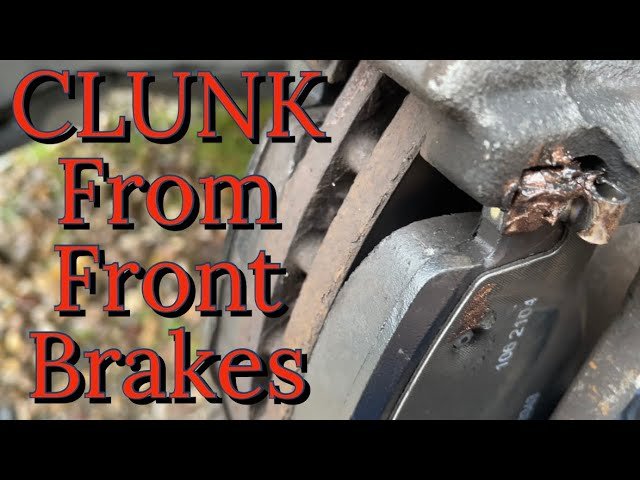
Hearing a clunk when braking can be unsettling. The distinctive noise often indicates an underlying issue that demands attention. Whether you’re a seasoned driver or a new one, encountering this sound can raise concerns. Addressing the clunk when braking promptly is crucial for maintaining your vehicle’s safety and performance. Let’s delve into the common causes behind this unsettling noise and explore effective solutions to ensure a smooth and safe driving experience.

Why Your Car Makes a Clunk Sound When Braking: Exploring the Common Causes
If you’ve ever noticed a strange clunking noise coming from your car when you press the brake pedal, you’re not alone. This mysterious sound can be alarming, but fear not! In this comprehensive guide, we’ll delve into the various reasons why your car might be making that clunking noise when you brake. So, buckle up and let’s hit the road to uncover the truth behind the clunk when braking phenomenon.
What Exactly is the Clunk Sound?
Before we dive into the possible causes of the clunk sound when braking, let’s first understand what this noise actually sounds like. The clunk is a distinct, often metallic noise that occurs when you apply the brakes, usually towards the end of the braking process. It can be described as a sudden thud or knock that emanates from the wheels or underneath the car.
Possible Causes of the Clunk When Braking
1. Worn Out Brake Pads
One of the most common reasons for a clunk sound when braking is worn-out brake pads. Brake pads are essential components that create friction against the rotors to slow down your vehicle. Over time, these pads can wear down, causing them to shift and produce a clunking noise when you brake.
2. Loose Brake Calipers
Another culprit behind the clunk when braking could be loose brake calipers. Brake calipers are responsible for applying pressure to the brake pads. If these calipers become loose or misaligned, they can rattle and create a clunking noise when you hit the brakes.
3. Suspension Issues
Issues with your car’s suspension system can also lead to a clunk sound when braking. The suspension system, which includes shocks, struts, and control arms, plays a vital role in maintaining a smooth and stable ride. If any of these components are worn out or damaged, they can cause the car to make unusual noises, including a clunk when braking.
4. Loose or Worn Out Wheel Bearings
Wheel bearings are crucial for the smooth rotation of your car’s wheels. When these bearings become loose or worn out, they can create a clunking noise when you apply the brakes. It’s essential to address wheel bearing issues promptly to prevent further damage to your vehicle.
5. Damaged Anti-Roll Bar Bushings
Anti-roll bar bushings are responsible for stabilizing the car during cornering and braking. If these bushings are damaged or worn out, they can cause a clunk sound when braking, particularly when making turns. Checking and replacing these bushings when necessary can help eliminate the clunking noise.
How to Address the Clunk Sound When Braking
Now that we’ve explored some common causes of the clunk when braking, let’s discuss how you can address this issue and get back to a quieter, smoother ride.
1. Check and Replace Brake Pads
If worn-out brake pads are the culprit, it’s essential to have them inspected and replaced by a professional mechanic. New brake pads will not only eliminate the clunking noise but also ensure your brakes function optimally for your safety.
2. Tighten or Replace Brake Calipers
If loose brake calipers are causing the clunk when braking, a mechanic can tighten or replace them as needed. Properly functioning brake calipers are crucial for the overall performance of your braking system.
3. Inspect and Repair Suspension Components
Addressing any suspension issues promptly is key to preventing further damage to your vehicle. A mechanic can inspect the shocks, struts, and control arms for any signs of wear or damage and recommend repairs or replacements as necessary.
4. Check and Replace Wheel Bearings
If loose or worn-out wheel bearings are to blame, a mechanic can inspect and replace them to eliminate the clunking noise. Properly functioning wheel bearings are essential for the safety and performance of your vehicle.
5. Replace Damaged Anti-Roll Bar Bushings
Lastly, if damaged anti-roll bar bushings are causing the clunk sound when braking, have them replaced by a professional mechanic. This simple fix can restore stability and reduce noise during braking and cornering.
In conclusion, a clunk sound when braking is a common issue that can stem from various underlying causes, including worn-out brake pads, loose brake calipers, suspension problems, wheel bearing issues, and damaged anti-roll bar bushings. By understanding the potential reasons behind this noise and taking proactive steps to address them, you can enjoy a quieter and safer driving experience.
Remember, when in doubt, always consult a qualified mechanic to diagnose and resolve any car-related issues. Your safety on the road is paramount, so don’t ignore unusual noises like the clunk when braking. Stay vigilant, stay informed, and happy motoring!
Brakes Clunking After Brake Job | Brand New Brake Pads Clunk/Knocking Sound
Frequently Asked Questions
What could be causing the clunking noise when braking?
A clunking noise when braking could be caused by various issues such as worn out brake pads, loose brake calipers, or damaged suspension components. It is important to have the brakes and suspension system inspected to determine the exact cause of the noise.
How do I diagnose the source of the clunking noise when I apply brakes?
To diagnose the source of the clunking noise when braking, you can start by checking the brake pads, rotors, and calipers for any visible damage or wear. Additionally, inspect the suspension components for any loose or broken parts. If you are unable to identify the issue yourself, it is recommended to seek professional help.
Can driving with a clunking noise when braking be dangerous?
Driving with a clunking noise when braking can be dangerous as it may indicate a problem with the braking system or suspension that could lead to decreased braking performance or loss of control. It is crucial to address the issue promptly to ensure the safety of yourself and others on the road.
Final Thoughts
When experiencing a clunk when braking, it is crucial to address the issue promptly to ensure safety. The noise could indicate a potential problem with the brake system or suspension components. Ignoring the clunking sound may lead to more significant issues down the line. Therefore, it is recommended to have the vehicle inspected by a professional mechanic to diagnose and fix the problem efficiently. Remember, early detection and timely repairs can prevent costly repairs and ensure a safe driving experience.