
Taking charge of healthcare decisions today is one of the most important steps toward long-term well-being and financial stability. With a growing number of options available, individuals benefit from a clear and structured approach that helps them understand what truly fits their needs. A proactive mindset ensures better outcomes and stronger confidence in future planning.
When individuals take time to compare plans, they gain a clearer understanding of differences in coverage, cost, and overall value. This simple but powerful step helps transform complex choices into clear insights, making it easier to take control of healthcare decisions with confidence and clarity.
Why is it important to compare plans now rather than later?
Acting early allows individuals to avoid confusion and make decisions before urgency limits their options. When plans are reviewed in advance, there is more time to understand benefits, evaluate costs, and assess coverage quality.
Waiting too long may lead to rushed decisions, but comparing early ensures thoughtful evaluation. This proactive approach supports better long-term outcomes and reduces uncertainty in critical situations.
How does comparing plans help in taking control of healthcare choices?
Control comes from understanding. When individuals compare plans, they gain visibility into what each option offers and how it aligns with their personal needs.
This process helps them identify which plan provides the right balance of affordability, coverage, and flexibility. As a result, they are not just selecting a plan—they are actively shaping their healthcare future with informed decisions.
Statistical patterns in decision-making show that individuals who evaluate multiple options early tend to feel more confident and satisfied with their final choices.
What key elements should be reviewed during comparison?
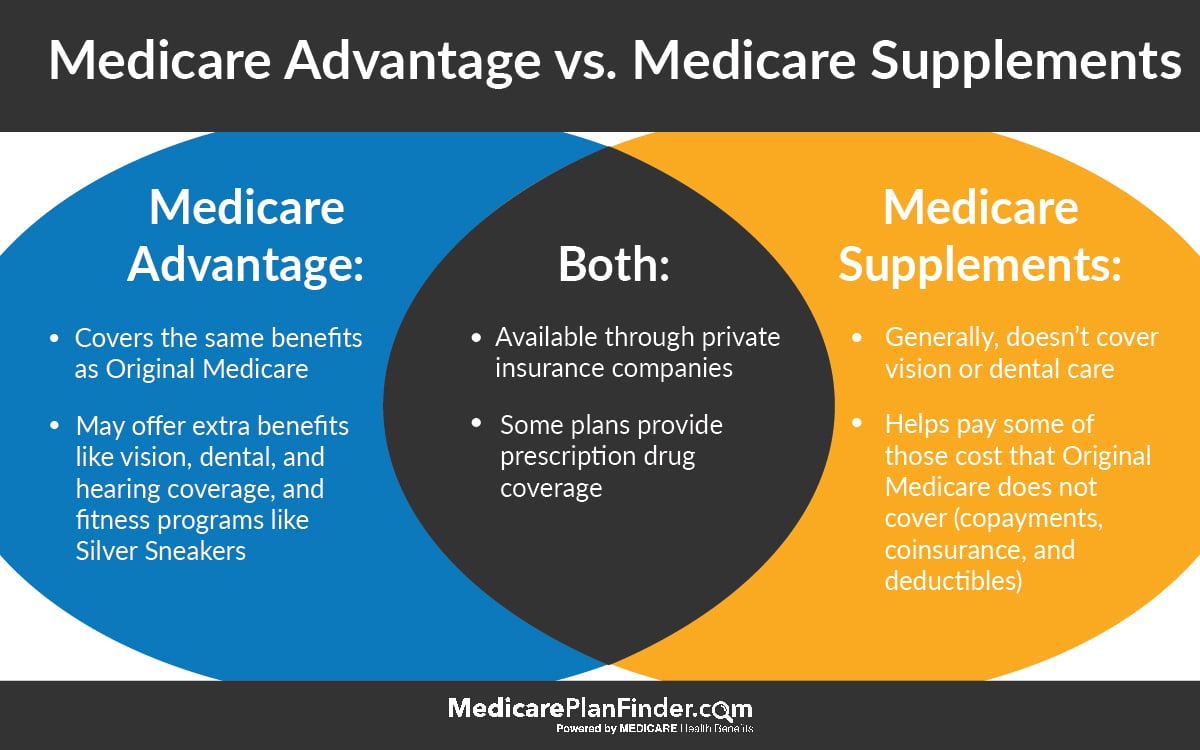
Several important factors should be considered when reviewing healthcare plans. Coverage is one of the most critical elements, as it defines what services are included and how well individuals are protected.
Cost structure is equally important, including monthly premiums, deductibles, and out-of-pocket expenses. These directly affect long-term financial planning.
Access to healthcare providers also plays a key role, ensuring that individuals can receive care from preferred doctors and hospitals. Additional benefits such as preventive care, emergency services, and prescription support further enhance overall value.
How does comparing plans improve long-term healthcare planning?
Comparing plans helps individuals think beyond immediate needs and focus on long-term stability. A well-matched plan ensures consistent access to healthcare services without unexpected financial strain.
This forward-thinking approach allows individuals to anticipate future needs and choose coverage that remains effective over time. It creates a stronger foundation for ongoing health and financial security.
Why does early comparison reduce future stress?
Early comparison reduces stress by eliminating uncertainty before decisions become urgent. When individuals understand their options in advance, they are better prepared for any situation that may arise.
This preparation builds confidence and reduces anxiety related to unexpected medical expenses or coverage limitations. Knowing that the right plan is already in place provides peace of mind.
How does comparing plans support financial control?
Financial control improves when individuals clearly understand what they are paying for and what they are receiving in return. Comparing plans highlights cost differences and helps identify the most efficient options.
This prevents overspending on unnecessary features while ensuring essential services remain covered. Over time, this leads to better budgeting and stronger financial discipline.
Can comparing plans improve overall confidence in decisions?
Yes, comparing plans significantly improves confidence because it removes guesswork from the decision-making process. When individuals can clearly see differences between options, they feel more certain about their choices.
This clarity leads to stronger trust in the selected plan and reduces the likelihood of regret or confusion later.
What makes a smart comparison approach effective?
A smart comparison approach focuses on clarity, simplicity, and relevance. Instead of analyzing every minor detail, it highlights the most important aspects such as cost, coverage, and benefits.
This ensures that individuals stay focused on what truly matters, making the decision process faster and more effective without sacrificing quality.
Conclusion
Taking control of healthcare decisions starts with a clear and proactive approach. By carefully evaluating available options and understanding key differences, individuals can make informed choices that support both their health and financial future. Comparing plans early and thoughtfully ensures better preparedness, stronger confidence, and long-term peace of mind in managing healthcare needs.