
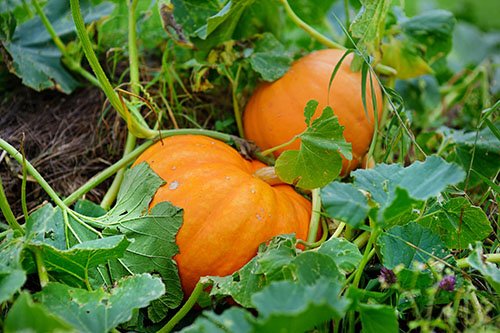
Plant pumpkins in Tennessee when the soil temperature reaches 60°F, typically in late May to early June. Timing is crucial for a successful harvest. Aim to give your pumpkin plants ample time to mature before the first frost. The ideal window for planting allows for around 100-120 days until harvest. By understanding when to plant pumpkins in Tennessee, you’ll set the stage for a bountiful fall harvest that will delight both young and old alike.

When to Plant Pumpkins in Tennessee: A Guide for Successful Harvests
Welcome to our guide on when to plant pumpkins in Tennessee! Pumpkins are not only a staple of fall decorations but also a versatile and nutritious vegetable that can be enjoyed in various dishes. Whether you’re a seasoned gardener or a beginner looking to grow your own pumpkins for the first time, knowing the best time to plant them is crucial for a bountiful harvest. In this article, we will explore the ideal planting times, soil conditions, care tips, and more to help you cultivate thriving pumpkin plants in Tennessee.
Understanding Tennessee’s Climate
Before diving into planting pumpkins, it’s essential to understand Tennessee’s climate and growing conditions. Tennessee has a diverse climate, with hot summers and mild winters. The state is classified as having a humid subtropical climate, which influences the ideal timing for planting pumpkins.
Choosing the Right Pumpkin Varieties
When deciding on which pumpkin varieties to plant in Tennessee, it’s crucial to consider the local climate and growing season. Some pumpkin varieties are better suited for Tennessee’s climate than others. Here are a few popular pumpkin varieties that thrive in Tennessee:
1. Jack O’Lantern Pumpkins
Jack O’Lantern pumpkins are a classic choice for carving and decorating during the Halloween season. These pumpkins typically have round, orange fruits and are well-suited for Tennessee’s growing conditions.
2. Sugar Pie Pumpkins
Sugar Pie pumpkins are smaller in size and known for their sweet flavor, making them perfect for baking pies and other delicious treats. These pumpkins do well in Tennessee’s climate and are a favorite among home gardeners.
3. Howden Pumpkins
Howden pumpkins are known for their deep orange color and thick, sturdy stems. These pumpkins are excellent for both carving and cooking, making them a versatile choice for Tennessee gardeners.
Timing is Everything: When to Plant Pumpkins in Tennessee
The timing of planting pumpkins in Tennessee is crucial to ensure a successful harvest. Pumpkins are warm-season crops that require plenty of sun and warm soil to thrive. In Tennessee, the recommended time to plant pumpkins is in late spring to early summer, typically between late May and early June.
Planting pumpkins too early when the soil is still cold can lead to poor germination and stunted growth. On the other hand, planting too late can result in pumpkins not reaching maturity before the first frost hits. By planting your pumpkins at the right time, you give them the best chance to grow healthy and produce a plentiful harvest.
Preparing the Soil for Planting
Before planting your pumpkin seeds or seedlings, it’s essential to prepare the soil properly to provide the best growing conditions for your plants. Here are some tips for preparing the soil for planting pumpkins in Tennessee:
1. Choose a Sunny Location
Pumpkins thrive in full sun, so choose a planting site that receives at least 6-8 hours of sunlight per day. Ensure the area has good drainage to prevent waterlogging, which can lead to root rot.
2. Test and Amend the Soil
Test your soil’s pH level and nutrient content to determine if any amendments are needed. Pumpkins prefer slightly acidic soil with a pH range of 6.0-6.8. Adding well-rotted compost or aged manure can help improve soil fertility and structure.
3. Create Mounds or Raised Beds
Pumpkins benefit from well-drained soil, so consider planting them in raised beds or mounds to improve drainage. This can also help warm the soil more quickly in the spring, promoting faster growth and development.
Planting Pumpkin Seeds or Seedlings
Once you’ve prepared the soil, it’s time to plant your pumpkin seeds or seedlings. Here are some tips for successful planting:
1. Direct Sowing Seeds
If planting seeds directly in the ground, sow them 1-2 inches deep in mounds or hills spaced 4-6 feet apart. Plant 2-3 seeds per hill and thin to the strongest seedling once they have sprouted.
2. Transplanting Seedlings
If starting with seedlings, transplant them into the prepared soil, making sure to space them according to the variety’s specific requirements. Water the seedlings thoroughly after planting to help them establish roots in their new environment.
Caring for Your Pumpkin Plants
Once your pumpkin plants are in the ground, proper care is essential to ensure healthy growth and a successful harvest. Here are some key care tips for growing pumpkins in Tennessee:
1. Watering
Pumpkins require consistent moisture, especially during hot summer months. Water your plants deeply once or twice a week, allowing the soil to dry slightly between waterings to prevent waterlogged conditions.
2. Fertilizing
Apply a balanced fertilizer when planting and side-dress with additional fertilizer once the vines start to develop. Avoid over-fertilizing, as this can lead to excessive foliage growth at the expense of fruit production.
3. Mulching
Applying a layer of mulch around your pumpkin plants can help retain moisture, suppress weeds, and regulate soil temperature. Use organic mulches like straw or shredded leaves for best results.
Harvesting Your Pumpkins
As fall approaches, your pumpkins will start to mature and reach their peak ripeness. Here are some signs that indicate your pumpkins are ready for harvest:
1. Mature Color
Most pumpkin varieties will develop a deep, consistent color when they are ripe. For example, orange pumpkins should have a rich orange hue with no green patches.
2. Hard Rind
Gently press your fingernail into the skin of the pumpkin. If the rind is hard and resists puncturing, it’s a good indicator that the pumpkin is mature and ready to harvest.
3. Dried Stem
The stem of the pumpkin should be dry and woody when the fruit is ripe. A green, pliable stem indicates that the pumpkin is not yet mature and needs more time on the vine.
By following these guidelines on when to plant pumpkins in Tennessee and how to care for your pumpkin plants, you’ll be well on your way to a successful harvest of fresh, homegrown pumpkins. Whether you’re looking to carve jack-o’-lanterns, bake pumpkin pies, or simply enjoy the beauty of these vibrant fruits in your garden, growing pumpkins can be a rewarding experience for gardeners of all ages. Happy planting!
Pumpkin Patch 2021 Progress | Late June, Early July
Frequently Asked Questions
What is the best time to plant pumpkins in Tennessee?
In Tennessee, the ideal time to plant pumpkins is in late spring or early summer once the soil temperature reaches around 60-65°F. This typically falls between late May and early June, allowing the seeds to germinate and plants to establish before the hot summer months.
How can I ensure successful pumpkin growth in Tennessee?
To ensure successful pumpkin growth in Tennessee, choose a sunny location with well-draining soil. Plant pumpkin seeds about 1 inch deep and keep the soil consistently moist but not waterlogged. Regularly monitor for pests and diseases, and provide support for vines as they grow.
Can pumpkins tolerate the Tennessee climate?
Yes, pumpkins can tolerate the climate in Tennessee if planted and cared for correctly. They thrive in warm temperatures and require full sun to develop properly. By selecting the right variety and planting at the recommended time, pumpkins can withstand the Tennessee climate.
Do pumpkins need any special care in Tennessee?
Pumpkins in Tennessee may benefit from mulching around the plants to retain soil moisture and suppress weeds. Regular watering, especially during dry periods, is essential for healthy pumpkin growth. Additionally, fertilizing the plants sparingly can help promote robust vines and larger fruit development.
Final Thoughts
In Tennessee, plant pumpkins in late spring after the last frost date. Aim for a soil temperature of at least 70°F for optimal germination. When to plant pumpkins in Tennessee depends on the variety and desired harvest time. Keep in mind that pumpkins need around 75-100 frost-free days to mature fully. Ultimately, timing is crucial for a successful pumpkin harvest in Tennessee.